From concern to action: The Silicon Valley Barcode of Life

From concern to action: The Silicon Valley Barcode of Life

From concern to action: The Silicon Valley Barcode of Life

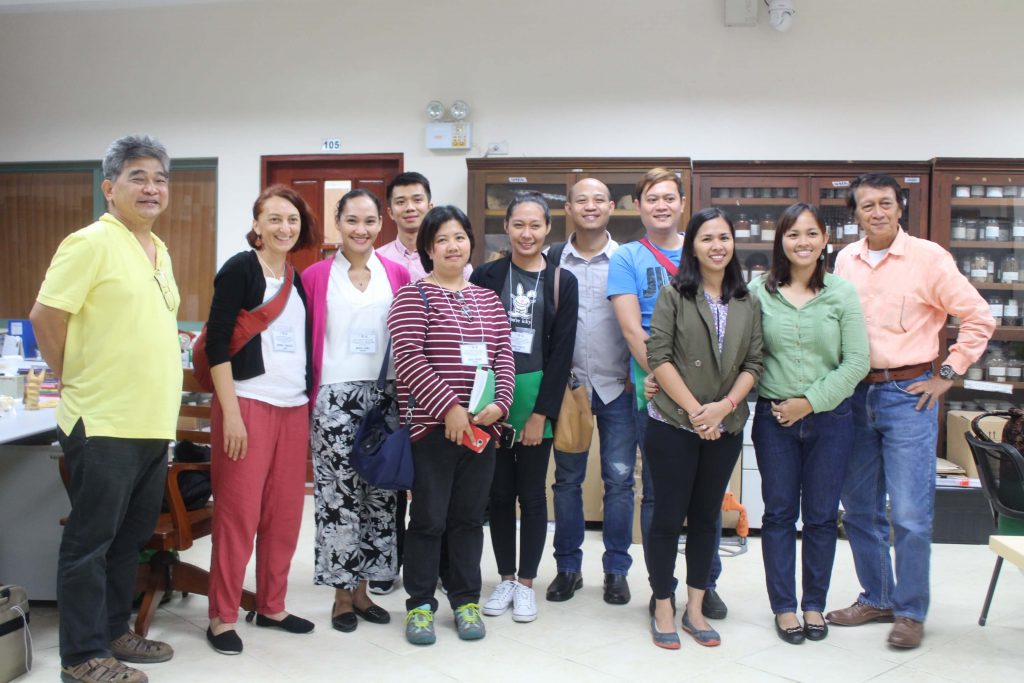
 Volunteers at DNA Barcoding Bioblitz, Hidden Villa Farm and Wilderness Center, June 2018. PHOTO CREDIT: Dan Quinn

Human destabilization of climate with its current and future costs and suffering make headlines daily. Related yet to some extent independent, the most current mass extinction—the seventh1 event of its kind in the nearly four billion years since life appeared on Earth—with potentially greater adverse impacts2 receives severalfold less attention3. We began the Silicon Valley Barcode of Life to further iBOL’s work to address this imbalance.


We grew up in Palo Alto, exploring nature in our yard, on the nearby 8,800 acre Stanford University campus, and in regional open space spanning San Francisco Bay marshes, Coast Range grassland, chaparral, and redwood forests, and Pacific Coast beaches. From an early age we participated in, and more recently we’ve led others in habitat stewardship fieldwork.

Songbirds like the hooded oriole (Icterus cucullatus) and cedar waxwing (Bombycilla cedrorum), once common visitors to our yard, now come rarely if at all.

We’ve observed firsthand how humans are diminishing biodiversity. As property owners in our community have covered more land with buildings and paving, they’ve reduced and fragmented habitat4. Songbirds like the hooded oriole (Icterus cucullatus) and cedar waxwing (Bombycilla cedrorum), once common visitors to our yard, now come rarely if at all. As we and those around us have relied increasingly upon products imported from around the world, we’ve introduced pests and invasive species that disrupt long-standing ecological relationships5. Oak Sudden Death, caused by a water mold (Phytophthora ramorum) thought to have entered the United States via the nursery plant trade, has killed tanoak (Notholithocarpus densiflorus) and coast live oak (Quercus agrifolia) in some of our favorite hiking spots and far beyond.

PHOTO CREDIT: Jen Bayer

Feeling concern about losing the living nature we love, we’re acting to preserve it. In 2018, inspired by conservationists Daniel Janzen’s and Winnie Hallwachs’ biodiversity protection and advocacy in Årea de Conservación Guanacaste, and San Diego Barcode of Life founder Bradley Zlotnick’s biodiversity cataloging and education achievements in Southern California, we launched the Silicon Valley Barcode of Life with the purpose of using DNA barcoding to engage people in cataloging biodiversity, in learning about the importance of biodiversity to human well-being and about threats to it, and in acting to conserve it.

Taxonomy wheel graphic

Taxonomic distribution of biodiversity collected at Hidden Villa DNA Barcoding Bioblitz, June 2018. Colors in the heat tree indicate the number of samples detected.

IMAGE CREDIT: Hilary Bayer

To date we’ve actively engaged more than a hundred volunteers, directly addressed more than a thousand people in-person (pre-pandemic) and subsequent online events, and indirectly addressed several thousands more in published writing and through our website. We’ve also hand-collected 600 specimens from diverse ecosystems in Santa Clara and San Mateo counties, and collected nearly 30,000 additional specimens from Malaise traps deployed in partnership with Stanford University’s Fukami Lab, the City of Palo Alto, and Hidden Villa Organic Farm and Wilderness Center.

In 2021 we were offered an opportunity to partner with the Mono Lake Committee to study arthropods of the Mono Basin. Though Mono Lake is several hundred miles across California from the Silicon Valley, we’ve vacationed in the Sierra Nevada with our family for as long as we can remember, and we’re grateful to be able to contribute to protecting its biodiversity.

In our first round of collections, we gathered 250 unique specimens within a 50-mile radius of Mono Lake by hand. With pit traps and a Malaise trap on Mono Lake Committee properties, including the Outdoor Education Center visited by hundreds of students annually, we gathered about 4,000 additional specimens.

Mantidfly

Mantidfly, family Mantispidae.
PHOTO CREDIT: Jen Bayer

Scarabeidae beetle

Monkey beetle, genus Hoplia, family Scarabaeidae PHOTO CREDIT: Jen Bayer

In 2022 we’re continuing to catalog arthropods of Silicon Valley and of the Mono Basin. In both places we have plans to deploy additional Malaise traps in partnership with local conservation and educational organizations and proceed with hand collection, engaging volunteers in these activities and in specimen processing.

We’re demonstrating how DNA barcoding can be a means to quickly and cost-effectively catalog biodiversity and thereby contribute to global and local libraries of life—a resource on which many can rely to inform science-based stewardship and enrich educational programs.
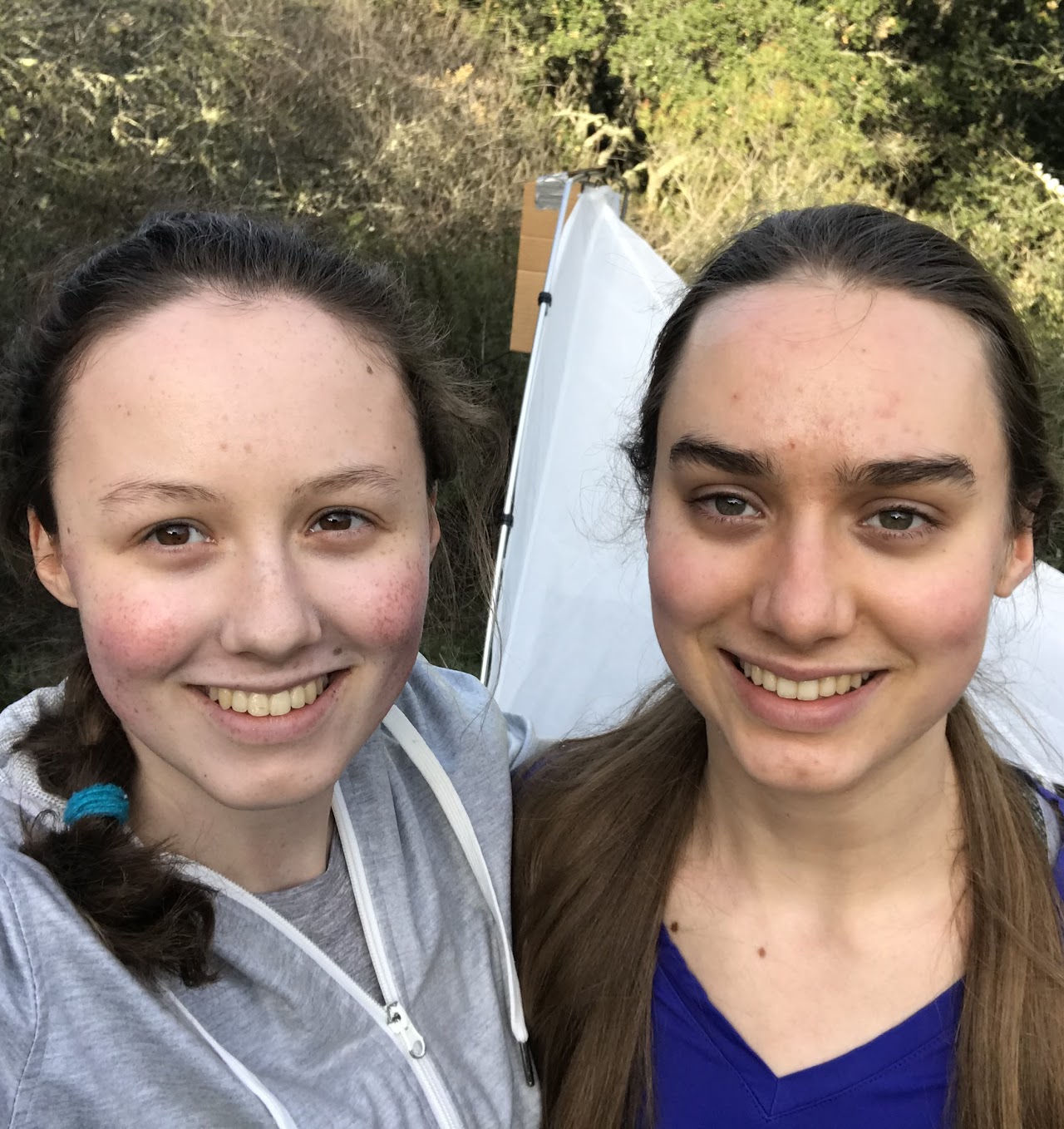
“We’re demonstrating how DNA barcoding can be a means to quickly and cost-effectively catalogue biodiversity and thereby contribute to global and local libraries of life—a resource on which many can rely to inform science-based stewardship and enrich educational programs.”

Jen and Hilary Bayer, co-founders of
Silicon Valley Barcode of Life, in front of
their first Malaise trap.

We’re looking for partners.

Silicon Valley Barcode of Life is an all-volunteer endeavor made possible by dedicated advisors, generous donors, institutional partners who share our goals, and volunteers.

Please contact us if you’re interested in assisting Silicon Valley Barcode of Life with funding, macro photography, graphic design, data uploading, Malaise trap servicing, or hand collection.

You can reach us at svbarcodeoflife@gmail.com

We gratefully acknowledge the Consulate of Canada in San Diego for kindly supporting us in facilitating this partnership with the International Barcode of Life Consortium, and the staff at the Centre for Biodiversity Genomics for the ways they’ve assisted us in learning and contributing.

References:

1. Michael R. Rampino & Shu-Zhong Shen (2019): The end-Guadalupian (259.8 Ma) biodiversity crisis: the sixth major mass extinction? Historical Biology 33(1):1-7. DOI: 10.1080/08912963.2019.1658096

2. Cardinale BJ et al (2012) Biodiversity loss and its impact on humanity. Nature 486(7401):59-67. DOI: 10.1038/nature11148.

3. Legagneux1 P et al (2018) Our house is burning: Discrepancy in climate change vs. biodiversity coverage in the media as compared to scientific literature. Front. Ecol. Evol. 5:175. doi: 10.3389/fevo.2017.00175

4. University of Exeter. (2018, April 13). Crowded urban areas have fewer songbirds per person. ScienceDaily. Retrieved  from https://www.sciencedaily.com/releases/2018/04/180413093836.htm

5. Dawson W et al (2017). Global hotspots and correlates of alien species richness across taxonomic groups. Nature Ecology and Evolution 1: 0186. DOI: 10.1038/s41559-017-0186.

Written by
Silicon Valley Barcode of Life
Palo Alto, USA
Hilary Bayer

Hilary Bayer

Silicon Valley Barcode of Life
Palo Alto, USA

Don't Miss Out!

Subscribe to the iBOL Barcode Bulletin for updates on DNA barcoding efforts, the iBOL Consortium, and more.

[mc4wp_form]

comment on this article

The Barcode Bulletin moderates comments to promote an informed and courteous conversation. Abusive, profane, self-promotional, or incoherent comments will be rejected. 

DNA Barcoding Wild Flora in Pakistan’s Forests

DNA Barcoding Wild Flora in Pakistan’s Forests

DNA Barcoding Wild Flora in Pakistan’s Forests

Juniper Forest of Ziarat, Balochistan, Pakistan. PHOTO CREDIT: Nazeer Ahmed
Balochistan, the largest province of Pakistan, is endowed with a variety of natural forests. Juniper (Juniperus excelsa), Pinus (Pinus gerardiana), wild Olive (Olea sp.) and mangroves are the predominant forest ecosystems of the province. The versatility of life forms in these forests support dynamic ecosystems and provide several important ‘ecosystem services’ like food, medicines, climate regulation, genetic resources, recreation facilities, etc. Biodiversity conservation, in the face of such benefits, becomes imperative. Comprehensive cataloguing of flora and fauna is, by all means, at the heart of such conservation endeavours.

The Juniper forest of Ziarat, Balochistan, declared a UNESCO Man and Biosphere Reserve, is considered one of the world’s largest compact forests of its kind spreading over an area of 100,000 ha. Being some of the oldest living trees on earth, they are termed “Living Fossils”. The Chilgoza (Pinus gerardiana), also known as the Chilgoza Pine, on the other hand, are listed as lower risk, near threatened forest. Anthropogenic interferences have further aggravated the situation in this ecosystem and a more focused study about their current status is needed.

Juniper Forest of Ziarat, Balochistan, Pakistan. PHOTO CREDIT: Nazeer Ahmed

Fragmented studies exist attempting to document the associated flora of these forests; however, a more comprehensive approach is needed. The use of DNA barcoding techniques, duly augmented by classical taxonomy, is necessary for the creation of a reference library to inventory, assess, and describe the biodiversity of these forests. To fill this gap, a study was designed to provide a foundation for future biodiversity assessment and conservation efforts.


Funded by Pakistan Agricultural Research Council and Higher Education Commission of Pakistan, our research group at the Balochistan University of Information Technology, Engineering & Management Sciences, Quetta is expecting to barcode and acquire samples of approximately 1,000 wild plant species. 

To date, 730 samples of 525 different species have been collected and 29% (150 of 525) have been barcoded. Besides maintaining voucher specimens, a virtual herbarium will be made available to the global scientific community interested in the flora of these forest ecosystems.

Read more about Pakistan:

SMALL STEPS LEAD TO BIG INITIATIVES: PAKISTAN REAFFIRMS SUPPORT FOR IBOL BY LAUNCHING PAKBOL

From economically important insect species to plants to food security, Pakistani researchers are working to barcode all life in their country through a national initiative – PakBOL.

UNIVERSITY OF SINDH JAMSHORO BARCODES GRASSHOPPERS IN PAKISTAN’S THAR DESERT

Tracking the shift of non-pests to crop pests, a phenomenon accelerated by anthropogenic pressures in the Thar Desert.

Written by

Nazeer Ahmed

Nazeer Ahmed

Balochistan University of Information Technology, Quetta, Pakistan

doi: 10.21083/ibol.v9i1.5476

Don't Miss Out!

Subscribe to the iBOL Barcode Bulletin for updates on DNA barcoding efforts, the iBOL Consortium, and more.

[mc4wp_form]

comment on this article

The Barcode Bulletin moderates comments to promote an informed and courteous conversation. Abusive, profane, self-promotional, or incoherent comments will be rejected. 

Scat Raiders Unravel Animal-Plant Interactions in Lebanon Using DNA Barcoding Tools

Scat Raiders Unravel Animal-Plant Interactions in Lebanon Using DNA Barcoding Tools

Scat Raiders Unravel Animal-Plant Interactions in Lebanon Using DNA Barcoding Tools

Plant collection in Ehden Nature Reserve – north Lebanon. PHOTO CREDIT: Saint Joseph University

Lebanon is considered a hotspot for biodiversity in the Mediterranean basin likely due to its geographic position at the transition of two major landmasses (that is Eurasia and Africa). The Lebanese territory is divided between mountainous slopes with fertile valleys separating the two mountain chains that run parallel with the sea and the steppe areas in the north-east. Deep canyons and numerous rivers characterize this mountainous landscape.

These geomorphological regions give rise to many bio-climatic zones and several habitat types that are home to more than 9,116 described species (4,486 for fauna and 4,630 for flora from which 91 are endemic). However, major taxonomic groups like insects and fungi are understudied and taxa are underrepresented within public data platforms. For example, according to the Barcode of Life Data System (BOLD), only 345 Lebanese specimens with sequences are published, forming 151 BINs and, of these records, only 108 have species names.

In September 2018, the Faculty of Science at Saint Joseph University of Beirut joined the iBOL Consortium providing us with the opportunity to unravel Lebanese biodiversity by DNA barcoding both small and large mammals as well as the main trees and shrubs used in reforestation programs. We will also target endemic plant species.

Animals are a crucial component for the resilience of forest ecosystems and an important factor in forest restoration projects as they promote the sustainability of reintroduced plants, as well as seed dispersal. However, we still need to identify the animals present in restored areas.

Animal scat collection. PHOTO CREDIT: Saint Joseph University

In addition, knowing what each animal eats and which plant seeds are being dispersed is crucial for reforestation schemes that promote wildlife and ensure ecosystem sustainability. The information needed to study the diets of animals can be found hidden in their scat which contains not only the animal’s DNA, but also what that animal has eaten. With the powerful technique of DNA metabarcoding, we now have the necessary tool to efficiently unravel the genetic information hidden in animal scat. The DNA sequences obtained from such material are identified by comparison to a reference library of animals and plants of the Eastern Mediterranean countries.


Constructing the Reference Library: DNA isolation Photo credit: Université Saint-Joseph

Constructing the Reference Library – DNA isolation.
PHOTO CREDIT: Saint Joseph University

This reference library was prepared from leaves collected in the wild and from DNA isolated from dead animals found along roads or from private museums. Thus, we have generated sequences for 51 plants and 18 mammals. This study conducted in collaboration with the Smithsonian Conservation Biology Institute and the University of Otago is the first to employ a DNA dietary analysis on wildlife in the Eastern Mediterranean Region and explicitly considering the role of wildlife in ecological restoration processes. Our results will inform management strategies to help with the conservation efforts of these imperiled species.

Written by

Carole Saliba

Carole Saliba

Faculty of Science, Saint-Joseph University

Liliane Boukhdoud

Liliane Boukhdoud

Faculty of Science, Saint-Joseph University

Magda Bou Dagher Kharrat

Magda Bou Dagher Kharrat

Faculty of Science, Saint-Joseph University

doi: 10.21083/ibol.v9i1.5489

Read more about Lebanon:

iBOL SCIENCE COMMITTEE MEMBER RECOGNIZED AS “FACE OF EXCHANGE” BY U.S. STATE DEPARTMENT

Magda Bou Dagher Kharrat, a leader in DNA barcoding and conservation in Lebanon, has been named as a notable alumnus of the U.S. State Department’s International Visitor Leadership Program.

HOW BIOSCAN IS INSPIRING THE NEXT GENERATION OF RESEARCHERS

They were enlightened by the idea of discovering new species and by the possibility of doing so using DNA barcoding tools.”

Don't Miss Out!

Subscribe to the iBOL Barcode Bulletin for updates on DNA barcoding efforts, the iBOL Consortium, and more.

[mc4wp_form]

comment on this article

The Barcode Bulletin moderates comments to promote an informed and courteous conversation. Abusive, profane, self-promotional, or incoherent comments will be rejected. 

Saving the Pangolin: Philippines’ Fight Against the Illegal Wildlife Trade

Saving the Pangolin: Philippines’ Fight Against the Illegal Wildlife Trade

Saving the Pangolin: Philippines’ Fight Against the Illegal Wildlife Trade

The Palawan Pangolin, Manis culionensis. PHOTO CREDIT: Renz Angelo Duco

On April 8, 2013, a Chinese-registered fishing vessel ran aground on Tubbataha Reef, a marine protected area southeast of the island province of Palawan, Philippines. When the ship was towed to port at Puerto Princesa City, it was found to contain 400 concealed boxes with more than 3,000 frozen pangolins. These specimens were initially thought to be the Palawan Pangolin (Manis culionensis), an IUCN-listed endangered species. This and many other pangolin species have been described as some of the most trafficked animals on Earth as they are priced for their ‘scales’ for supposed medicinal value as well as for their exotic meat, both of which fetch a high value in the Chinese market.

The Palawan Pangolin and many other Philippine endemic species are protected by the Philippine Wildlife Resources Conservation and Protection Act (Republic Act 9147), which prohibits the capture, sale and transport of threatened species. However, Philippine Wildlife Enforcement Officers (WEOs) are hindered from carrying out their duties because they are limited in their ability to correctly identify confiscated species, which is often based on morphology alone. More often, WEOs have to deal with specimens that are not intact (e.g. tissue, blood, bone, etc.), rendering a taxonomic identification impossible. This poses a significant challenge for WEOs who need to correctly identify confiscated specimens and prosecute poachers.

Going back to the Tubbataha case, the Department of Environment and Natural Resources (DENR) sought the help of the University of the Philippines Diliman, Institute of Biology (UPD-IB) through its DNA Barcoding Laboratory to identify the pangolin specimens. Adrian Luczon, the lead investigator for the molecular identification of the specimens, utilized the COI gene and two reference Manis culionensis samples. His team’s results demonstrated that the Tubbataha specimens actually belonged to another critically endangered species, the Sunda Pangolin (M. javanica) native to mainland Southeast Asia, Borneo, Java, Sumatra, and nearby islands. Despite the DNA barcoding results indicating the specimens to be from another species outside the Philippines, the trafficking of the Palawan Pangolin remains unabated. In fact, within the same year, several batches of confiscations involving these pangolins have taken place, which Luczon’s team identified as the Palawan Pangolin through DNA barcoding. Clearly, there was an urgent need to formally incorporate molecular identification of trafficked species within the wildlife forensics work in the Philippines.

In 2015, UPD-IB entered a collaboration with the DENR through its Biodiversity Management Bureau to establish the first Molecular Wildlife Forensics (WILDFORCE) Lab in the Philippines. Through this partnership, DENR provides samples of Philippine endemic species to populate the Philippine DNA barcode database. These samples are to be processed at the Biodiversity Research Laboratory, headed by Dr. Perry Ong, and the DNA Barcoding Laboratory of UPD-IB. Other specimens brought to the lab for proper identification through DNA barcoding include the Philippine Duck (Anas luzonica), the Philippine Tarsier (Tarsius syrichta), the Gray’s Monitor Lizard (Varanus olivaceus), and the Philippine Sailfin Lizard (Hydrosaurus pustulatus), among others.

In 2018, with financial support from the Japan Biodiversity Fund and endorsement from the Secretariat of the Convention on Biological Diversity, and in support of the Global Taxonomy Initiative, WILDFORCE was able to train 18 individuals among researchers from higher educational institutions (HEIs) and WEOs from regional DENR offices. The training aimed to capacitate these personnel on the basic principles of DNA barcoding and eventually allow them to set up their own labs. These efforts are envisioned to contribute to building a robust Philippine DNA barcode database and decentralize the processing of evidence towards the DENR regional offices and local HEIs.

Wildlife enforcement officers and researchers from higher educational institutions receive training on DNA barcoding.

PHOTO CREDIT: Adrian Luczon

The sad reality of illegal trafficking of endangered species, as manifested by the Tubbataha case, has prompted the Philippine government and various stakeholders to join forces to combat illegal wildlife trade. It is only through collective effort grounded in science that we can have a chance to protect biodiversity.

Written by

Ian Kendrich Fontanilla

Ian Kendrich Fontanilla

Institute of Biology, University of the Philippines, Diliman, Philippines

doi: 10.21083/ibol.v9i1.5490

Don't Miss Out!

Subscribe to the iBOL Barcode Bulletin for updates on DNA barcoding efforts, the iBOL Consortium, and more.

[mc4wp_form]

comment on this article

The Barcode Bulletin moderates comments to promote an informed and courteous conversation. Abusive, profane, self-promotional, or incoherent comments will be rejected. 

University of Sindh Jamshoro Barcodes Grasshoppers in Pakistan’s Thar Desert

University of Sindh Jamshoro Barcodes Grasshoppers in Pakistan’s Thar Desert

University of Sindh Jamshoro Barcodes Grasshoppers in Pakistan’s Thar Desert

The Thar Desert is considered the seventh largest desert in the world and the third largest in Asia. Although this desert is rich in unique biodiversity, efforts to explore and analyze its fauna and flora have been minimal. The desert harbours some important crop pests, particularly orthopterans, by providing them alternate host plants, overwintering space, and environments for reproduction. The region provides favourable soil and environmental conditions for the survival of Acridids (grasshoppers and locusts). In particular, it supports the reproduction, development, and outbreak of the desert locust; the gregarious phase of locusts results in attacks on neighbouring regions that cause severe loss to crops and forests.

Cattle grazing in the Thar region.
Photo credit: Ahmed Ali Samejo

Around 20,000 orthopterans have been described in the world including 1,750 from India, but the number of known species in Pakistan is merely 161. Our recent surveys of the Thar region have revealed 29 species of grasshoppers that are new to the country indicating the rich grasshopper diversity of this desert.

With expanding agricultural fields, overgrazing and desertification, and changing ecological conditions, biodiversity is also changing. These changes are pushing non-pests to become crop pests, a phenomenon that warrants further investigation using reliable identification methods. An effective, preventive management strategy of these pests relies on an improved knowledge of their biology and ecology, and on more efficient monitoring and control techniques. The Department of Zoology at the University of Sindh Jamshoro has taken initiative to document and understand the grasshopper fauna in the Thar Desert by coupling DNA barcoding with conventional taxonomy.

Field surveys in the Thar Desert with Kumar, Riffat, & Samejo (left to right).
PHOTO CREDIT: Ahmed Ali Samejo

With funding support from the Higher Education Commission (HEC) Pakistan, the department plans to develop a DNA barcode reference library for grasshoppers in the Thar Desert of Pakistan. Grasshopper collection and specimen identification is already in progress and, so far, 2,334 specimens have been identified to 22 species while the identity of 300 specimens is yet to be resolved. After the front-end processing (data-basing, imaging, tissue sampling) at the University of Sindh Jamshoro is complete, the identified specimens will be barcoded at the Centre for Biodiversity Genomics, University of Guelph.

This is the first effort towards understanding grasshopper diversity in the Thar using DNA methods and developing a reliable reference library for this important group of pest insects. The generated data will not only be used for the rapid identification of grasshoppers and locusts, it will also provide a useful tool for pest management and biodiversity conservation.

Written by

Riffat Sultana

Riffat Sultana

Department of Zoology, University of Sindh Jamshoro, Pakistan

doi: 10.21083/ibol.v9i1.5491

Comments

Read more about Pakistan:

SMALL STEPS LEAD TO BIG INITIATIVES: PAKISTAN REAFFIRMS SUPPORT FOR IBOL BY LAUNCHING PAKBOL

From economically important insect species to plants to food security, Pakistani researchers are working to barcode all life in their country through a national initiative – PakBOL.

DNA BARCODING WILD FLORA IN PAKISTAN’S FORESTS

Preserving voucher specimens and creating a virtual herbarium to understand and protect some of the oldest living trees on the planet.

Don't Miss Out!

Subscribe to the iBOL Barcode Bulletin for updates on DNA barcoding efforts, the iBOL Consortium, and more.

[mc4wp_form]

comment on this article

The Barcode Bulletin moderates comments to promote an informed and courteous conversation. Abusive, profane, self-promotional, or incoherent comments will be rejected.