The fly specimen that awaited a growing barcode community to be dusted off the shelves and given a name

The fly specimen that awaited a growing barcode community to be dusted off the shelves and given a name

The fly specimen that awaited a growing barcode community to be dusted off the shelves and given a name

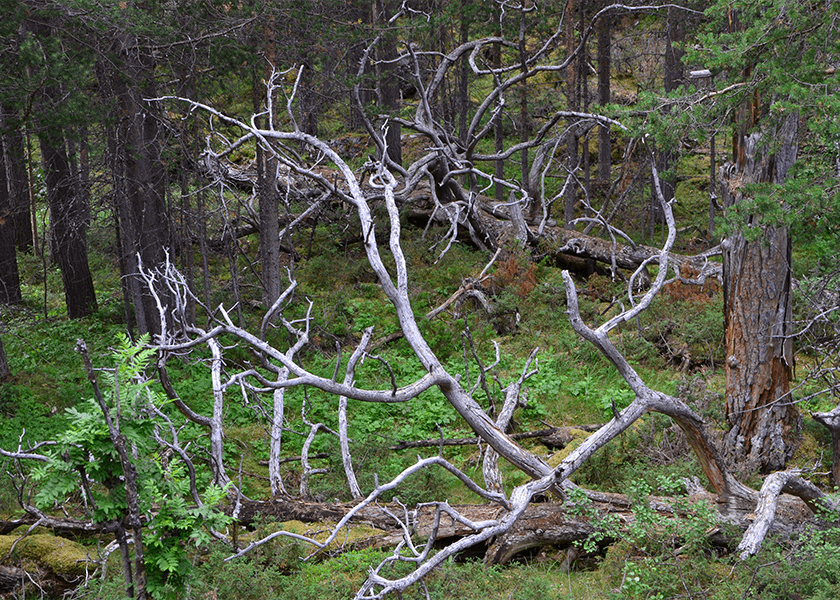
Reisa National Park, Norway. The type locality of a new fungus gnat species Coelosynapha loici.

PHOTO CREDIT: J. Kjærandsen

While it can take an average of 21 years between the discovery and description of a new species1, the challenges of relating known taxa and the scarcity of high-quality specimens make the description of a new genus even more difficult and time-consuming. Our paper recently published in the Biodiversity Data Journal introduced a new fungus gnat genus–Coelosynapha–demonstrating that despite a taxon being shelved for a long time after discovery, strong collaborative networks spanning many countries combined with the power of DNA barcoding are greatly changing the pace at which we catalogue life.

This story begins some 25 years ago when the late French entomologist Loïc Matile (1938–2000) sent Geir E.E. Søli (at the Natural History Museum in Oslo, Norway) illustrations and a brief one-page description of a potential new fly genus, belonging to fungus gnats of the family Mycetophilidae, based on a single specimen collected in Finland. Matile posed a seeming simple question to Søli, “Had this for years…What do you think?” Unable to do much with the scarce material, the specimen was shelved, twice, for even after more specimens were found in Finland in 2009 and sent to a specialist in the USA, no progress was made.

Growth of research ties and a reference library

During this time, the popular and widespread use of DNA barcoding has led to an accumulation of a substantial volume of sequenced insects on the Barcode of Life Data (BOLD) system. More than 65,000 specimens belonging to the fly family Mycetophilidae have been successfully sequenced. Some 1,100 of them have public barcodes, although more than 2,400 different Barcode Index Numbers (BINs) are assigned, which indicates that the majority of the species still remain unidentified beyond the (sub)family level.

In the Nordic region, strong scientific research ties grew during the early 2000s between the Swedish, Norwegian, and Finnish biodiversity information centres, taxonomy initiatives, and the Norwegian Barcode of Life (NorBOL) and Finnish Barcode of Life (FinBOL). These alliances are ensuring that the best taxonomic expertise is building up data in the reference library for local fauna on BOLD. Hence, the vast majority of some 6,500 DNA barcoded fungus gnats from the Nordic region have been identified to species level upon submission. The reference library is then painstakingly quality-checked and curated after barcodes and BINs are assigned. This has resulted in a high-quality reference library, now covering about 90 percent of up to 1,000 known Nordic species of the family.

The reference library gives us entirely new opportunities through machine identification of insect samples. Examples range from expanded taxonomic studies on the larger Holarctic fauna as in this study, to ecological studies on how fungus gnats function in our boreal ecosystems, to more applied stakeholder science ranging from management of unprotected and protected areas to monitoring insect populations and the often claimed decrease in insect diversity caused by disturbances like commercial land use, pesticides from agriculture, and climate change.

Holotype of Coelosynapha loici sp. n. (left) and Coelosynapha heberti sp. n. (right).
PHOTO CREDIT: J. Kjærandsen (left) & CBG Photography Group (right)

A new genus is born from treasures on BOLD

Continuing the exploration of fungus gnats, we obtained more specimens of the enigmatic new species first studied by Matile way back in the mid-1980s from several, mainly old-growth, coniferous sites across the Palaearctic Taiga; ranging from Norway in the west all the way to Chukotka in the Far East of Russia. Specimens of the new taxon from Russia and Fennoscandia (a region covering the Scandinavian Peninsula, Finland, Karelia, and the Kola Peninsula) were submitted for barcoding. We were surprised to find that the BINs assigned on BOLD indicated these specimens were the nearest neighbour to another unidentified, and very similar species sampled across southern Canada between 2004–2014 during the Centre for Biodiversity Genomics’ early efforts to barcode the insects of Canada2

Both species were assigned to a new genus named Coelosynapha. The first, Eurasian Coelosynapha loici, is named in honour of Loïc Matile. The second, North American Coelosynapha heberti, is named in honour of Paul D. N. Hebert, “the father” of DNA barcoding who led efforts to barcode the insects of Canada and currently leads the International Barcode of Life (iBOL) as the organization’s scientific director. Taken together it marks a celebration of the synergy emerging from traditional morphologically based taxonomy meeting a new integrative taxonomy including DNA barcodes in its toolbox. 

The newly described genus belongs to the subfamily Gnoristinae which appears to be amongst the most difficult branches of the Mycetophilidae to classify, which certainly added to the prolonged shelf life.

It marks a celebration of the synergy emerging from traditional morphologically based taxonomy meeting a new integrative taxonomy including DNA barcodes in its toolbox.

Highly variable taxa have led to numerous small genera with few species being segregated, as well as species-rich, polyphyletic genera sometimes called “trash bin” genera because they are derived from more than one common evolutionary ancestor or ancestral group and are therefore not suitable to be placed in the same taxon.

Morphologically Coelosynapha is most similar to the genera Coelosia and Synapha, hence its name, while genetically, species of these genera appear rather distant. As the new species epithets suggest, there is a need for more integrative taxonomic studies combining classical morphology with DNA barcoding.

The BOLD archive certainly hides many similar treasures waiting to be uncovered, but for that to happen morphological expertise needs to be invoked. Through our description of Coelosynapha, we hope to inspire this kind of integrative taxonomic work on the species-rich family of fungus gnats and aspire to further phylogenetic studies of the intriguing subfamily Gnoristinae.

References:

1. Fontaine B, Perrard A, Bouchet P (2012) 21 years of shelf life between discovery and description of new species. Current Biology 22 (22). doi: 10.1016/j.cub.2012.10.029

2. Hebert PN, Ratnasingham S, Zakharov E, Telfer A, Levesque-Beaudin V, Milton M, Pedersen S, Jannetta P, deWaard J (2016) Counting animal species with DNA barcodes: Canadian insects. Philosophical Transactions of the Royal Society B: Biological Sciences 371 (1702). doi: 10.1098/rstb.2015.0333

Written by

Tromsø University Museum, UiT – The Arctic University of Norway Tromsø, Norway

Alexei Polevoi

Alexei Polevoi

Forest Research Institute of Karelian Research Centre of the Russian Academy of Sciences Petrozavodsk, Russia

Jukka Salmela

Jukka Salmela

Regional Museum of Lapland & Arctic Centre, University of Lapland Rovaniemi, Finland

doi: 10.21083/ibol.v10i1.6401

Don't Miss Out!

Subscribe to the iBOL Barcode Bulletin for updates on DNA barcoding efforts, the iBOL Consortium, and more.

[mc4wp_form]

comment on this article

The Barcode Bulletin moderates comments to promote an informed and courteous conversation. Abusive, profane, self-promotional, or incoherent comments will be rejected. 

Hunting for a water mite neotype in southern Norway

Hunting for a water mite neotype in southern Norway

Hunting for a water mite neotype in southern Norway

A stream near the church of Vanse at Lista in southern Norwaythe type locality of Lebertia porosa Thor, 1900.

PHOTO CREDIT: Torbjørn Ekrem

Did you know that scientists can assess natural water quality by monitoring the diversity of aquatic invertebrates? Freshwater insect and arachnid populations are often important indicators of environmental change. This is evident in particularly species-rich groups, such as water mites and biting or non-biting midges, which have great potential for monitoring water quality. The problem is only that they are too difficult and time consuming to identify in routine water quality assessments. This hurdle can be overcome with DNA metabarcoding, but only if a good reference barcode library is available.

Elisabeth Stur of the Norwegian University of Science and Technology (NTNU) University Museum, along with her team, have been doing summer fieldwork for the Water Mites and Midges in southern Norway (Water M&M) project. One of the many goals for this year’s fieldwork was not only to contribute to the reference barcode library, but also to sample the type locality of the water mite Lebertia porosa, described 120 years ago by Sig Thor, a Norwegian priest and acarologist.

The Great Lakes
Phaenopsectra flavipes (Diptera: Chironomidae) with water mite larvae attached. PHOTO CREDIT: Aina Mærk Aspaas, NTNU University Museum

Barcode data indicate that there are at least six cryptic genetic lineages within this species, but it is unknown which of these applies to the nominal species. Since the original type material is lost, re-sampling L. porosa from its type locality is important in designating a neotype that most likely belongs to the species described by Thor in 1900. This way, researchers can stabilize the definition of the L. porosa species name, such that potential new species could be described. This species delineation is part of a MSc. project by Valentina Tyukosova at NTNU: Integrative taxonomy and species delimitation in the Lebertia porosa species complex (Acari, Parasitengona: Hydrachnidia).

The type locality of L. porosa was vaguely described in Thor’s original publication as a “stream near the church of Vanse”. After studying maps of the surrounding area, researchers learned that this church still stands, and were able to locate two nearby streams.

Now they wondered, would these streams still be in good condition 120 years later? As the team of researchers approached what they thought might be the stream in June 2020, they were pleased to see running, clear water under the bridge. Next mystery: could the streams hold a population of L. porosa 120 years after first collection? They found that yes, the waters could, and the water mite populations were bountiful!

The Great Lakes DNA Barcoding Project team

Water mites from the type locality of Lebertia porosa Thor, 1900.
PHOTO CREDIT: Torbjørn Ekrem

Stur and her team are now looking forward to getting these critters under the compound microscope. Using DNA analysis, they hope to identify which barcode clusters they match with, potentially revealing the nominal species of L. porosa. We’re sure that Sig Thor would be thrilled to learn that his identified species is still thriving, 120 years later.

Don't Miss Out!

Subscribe to the iBOL Barcode Bulletin for updates on DNA barcoding efforts, the iBOL Consortium, and more.

[mc4wp_form]

comment on this article

The Barcode Bulletin moderates comments to promote an informed and courteous conversation. Abusive, profane, self-promotional, or incoherent comments will be rejected. 

Reflections from a DNA barcoding course in Norway – From sequences to species

Reflections from a DNA barcoding course in Norway – From sequences to species

REFLECTIONS FROM A DNA BARCODING COURSE IN NORWAY – FROM SEQUENCES TO SPECIES

The Norwegian Research School on Biosystematics (ForBio) and the Swedish Taxonomy Initiative (STI) organized a DNA barcoding course welcoming 16 university students from 10 nations to the scenic outer coastline of Central Norway.

Students and teachers attending the course DNA barcoding – from sequences to species.

PHOTO CREDIT: Thomas Stur Ekrem

What exactly is DNA barcoding? What are the major challenges with the identification of species using DNA sequences? How can we evaluate the quality of barcode reference libraries? How will international agreements like the Nagoya protocol influence the use of genetic data to assess and monitor biodiversity? These are a few of the questions that were explored during the recent DNA barcoding course at Sletvik Field Station near Trondheim, Norway.

The landscape around Sletvik Field Station PHOTO CREDIT: Torbjørn Ekrem

The Norwegian Research School on Biosystematics (ForBio) and the Swedish Taxonomy Initiative (STI) organized the course welcoming 16 university students from 10 nations to the scenic outer coastline of Central Norway. The students came from universities in Norway and Sweden, and one even travelled all the way from Mozambique. The course was taught and organized by Rakel Blaalid, Norwegian Institute of Nature Research; Filipe O. Costa, CBMA, University of Minho; Torbjørn Ekrem, NTNU University Museum; Galina Gusarova, The Arctic University Museum of Norway; Malin Strand, Swedish University of Agricultural Sciences; and Elisabeth Stur, NTNU University Museum.

Primarily aimed at PhD students and early career researchers, while still open to nature managers and MSc students, the course focused on increasing the in-depth knowledge of molecular techniques for identification of species. The packed program included four days of lectures, practical exercises and seminars and concluded on day five with a three-hour exam, rewarding students with two European Credit Transfer and Accumulation System (ECTS) credits if they passed. In order to meet the requirements by some universities’ PhD program, an additional ECTS credit was offered to students that opted for a home assignment after the course.

Even the teabags took active participation in the course. PHOTO CREDIT: Torbjørn Ekrem

The Sletvik Field Station run by the Norwegian University of Science and Technology was a marvellous and very practical setting for the course with lots of space, nice lecture rooms and a large kitchen where instructors and students prepared meals together and socialized.

The teachers were impressed by the students’ efforts and active participation. We hope everyone had a good experience and gathered useful knowledge for their current and future careers!

Daniel Abiriga, Katharina Bading and Misganaw Gessese preparing homemade pizza for 24 people. PHOTO CREDIT: Anna Seniczak

Reflections from three participants:

The DNA barcoding course – from sequence to species was really useful for me because although I knew how to clean DNA sequences, I was missing how to do various analyzes in databases such as BOLD. The time spent on each topic was good, but due to poor internet connections, we could have had more time for the practicals. I think that the topics were well covered, and I gained a lot of knowledge on the theory of DNA barcoding and the challenges faced when using barcode sequences to describe new species. The knowledge acquired in this course will help me analyze sequence data for my PhD project on fishes.

A big challenge for African countries, specifically for Mozambique, is the lack of expert taxonomists working with DNA barcoding. Moreover, the whole process of sample processing is still expensive, and many African species do not have sequences in public reference libraries. My next challenge will be to start a small dataset for the species I’m working on. I already have sequences for some, and I only need to check if they fulfill all the requirements to be deposited on BOLD. Thanks a lot for the opportunity to attend the course. Hope to attend more ForBio courses next year!

Erica Tovela

Museu de Historia Natural, Mozambique

I found the DNA barcoding course very interesting, particularly to a junior researcher like me. Before joining the course, I did not know about the different DNA markers that are widely being used in species delimitation. Through a broad spectrum of experts from different disciplines, e.g., entomology, plant, fungi, and marine invertebrates, we were taken through current applications of DNA barcoding in the various fields. This has greatly enhanced my understanding of DNA barcoding, including its strengths and limitations. Overall, the course was very enlightening, and I would recommend it to fellow junior researchers who employ DNA barcoding in their work.

Daniel Abiriga

PhD student, University of South-Eastern Norway

Tucked away in the fjords of Slettvik, we were a couple dozen scientists discussing the best way to designate barcodes to all of life. What is a species? How do we identify one from another? How different does their DNA need to be to assign this designation? From at least ten different countries and various continents, we (the students) were able to learn from our professors and from each other. Globally, as computing power increases and genetic data becomes easier to sample, DNA barcoding has become more popular. Having a place for systematists—those classifying organisms using a small piece of standardized genetic information—to converge is pretty unique.  At the barcoding course, ForBio brought together researchers from many different silos to explore the intricacies of genetic barcoding as a group.

Personally, I am particularly interested in understanding species composition in soil samples—metabarcoding. I came to this Forbio course with the expectation of understanding a bit better the best practices of barcoding in the field. We discussed phylogeography, practiced tree making with different parameters, went through workflows in different barcoding databases, and learned about cleaning up datasets. More importantly, however, I now have an understanding of how my work will fit a much larger context: of the past, present, future of molecular sequencing. I understand the implications DNA barcoding work on a global scale; I came away with an understanding of why we have the Nagoya Protocol and how it aims to secure access and benefit sharing of genetic resources. Through structured discussions with my classmates and our teachers we explored the consequences of moving taxonomy toward a more molecular basis and what this means in a global context. Thanks, ForBio for a great course! It is not very often you can get groups of scientists like this outside of their office and into such meaningful discussions.

Louisa Durkin

Nordic Academy for Biodiversity Systematics, University of Gothenburg, Gothenburg Global Biodiversity Center, Sweden

Written by

 Elisabeth Stur

Elisabeth Stur

NTNU University Museum

Torbjørn Ekrem

Torbjørn Ekrem

NTNU University Museum

Don't Miss Out!

Subscribe to the iBOL Barcode Bulletin for updates on DNA barcoding efforts, the iBOL Consortium, and more.

[mc4wp_form]
The celebrities of the microcosmos aren’t always easy to find: detecting tardigrades in environmental DNA

The celebrities of the microcosmos aren’t always easy to find: detecting tardigrades in environmental DNA

The celebrities of the microcosmos aren’t always easy to find: detecting tardigrades in environmental DNA

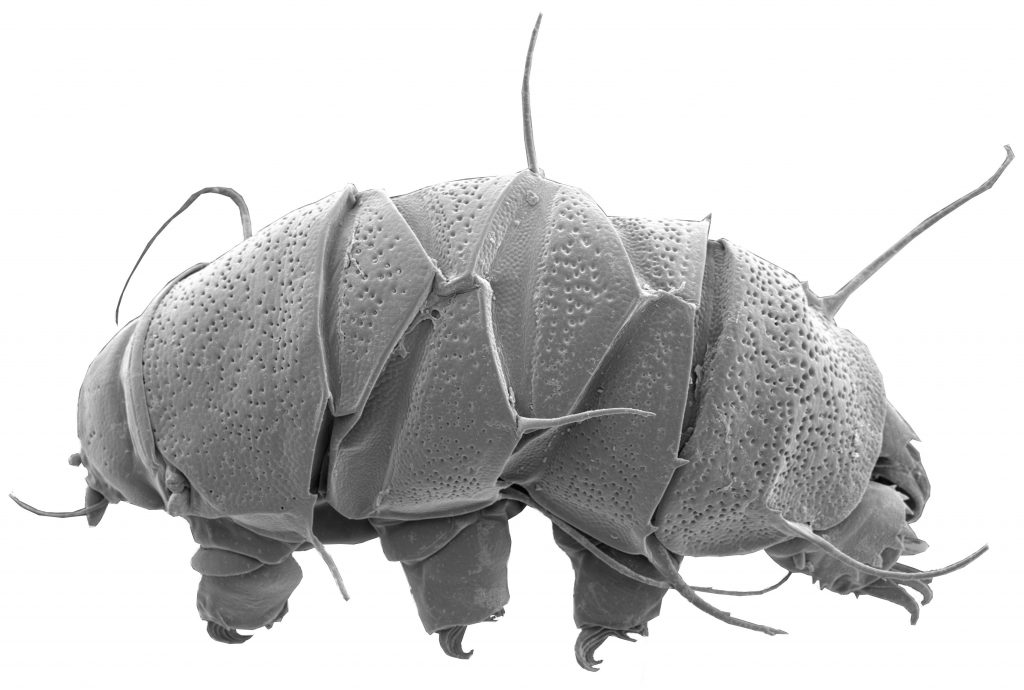
Scanning electron microscopy image of Diploechiniscus oihonnae

PHOTO CREDIT: Lasse Topstad

Found across every continent on Earth, to now potentially living on our moon, tardigrades are some of the most resilient microorganisms we know of. But despite our fascination with these microscopic water bears, there is still much to discover. Our study is exploring the applicability of using environmental DNA to facilitate the examination of tardigrade diversity.

The popular narrative that tardigrades can withstand anything – from -272 degrees Celsius to as high as 150 degrees Celsius, 6,000 times the atmospheric pressure, extreme radiation, and vacuum – has earned them celebrity status of the microcosmos. However, tardigrades are more than just superstars. They constitute their own phylum of life, ranked at the same taxonomic level as arthropods (insects and spiders), and currently hold around 1,270 described species. Many of these species fulfill ecologically important roles related to the breakdown of organic material in the soil. Other species are found in freshwater streams, sediments, mosses, lichens, and leaf-litter, occurring in most ecosystems throughout the world. As with other tiny taxa, telling tardigrade species apart can be challenging. Confident identifications of many species depend on the presence of both adult specimens and eggs. Additionally, tardigrade taxonomy is traditionally based on a limited set of morphological traits. This has resulted in several complex species groups, comprising morphologically inseparable, but genetically distinct species.

The claws of one of the species in the Macrobiotus hufelandi group. These species are often inseparable based on morphology, but clearly distinct species based on the COI gene.

PHOTO CREDIT: Lasse Topstad

DNA barcodes offer a solution to these impediments by generating unique genetic characteristics for each of these species. In recent years, there has been an increase in the use of molecular tools on tardigrades, but currently, only a small portion of the known species have barcodes deposited in public databases. Such reference sequences are essential if tardigrades are to be included in large-scale biomonitoring methods such as metabarcoding of environmental DNA (eDNA). Our study is the first to compare the applicability of eDNA-based metabarcoding of tardigrade diversity with morphologically identified communities.

Collection of lichen samples during fieldwork in Southern Norway PHOTO CREDIT: Torbjørn Ekrem

We extracted tardigrades and eggs from samples of moss, lichens, and leaf-litter and identified them using morphology. The 3,788 recorded tardigrade specimens and eggs were identified as 40 morphologically distinct species, of which 24 were successfully sequenced for the gene cytochrome c oxidase I (COI). These were represented by 151 successfully sequenced individuals. Interestingly, the barcodes revealed 32 genetically distinct linages among the 24 morpho-species, showing high levels of hidden diversity.

Figure 1. Overlap in species recovery by the different methods.

Next, we extracted eDNA from the same environmental samples and sequenced two fragments of the COI marker and one fragment of the 18S marker using the Illumina MiSeq next-generation sequencing platform. This method recovered 57 species of tardigrades compared to the 40 species detected by conventional methods. Mostly, the two methods identified the same species (Figure 1), yet, metabarcoding detected cryptic species elusive to morphological identification. This indicates that metabarcoding of eDNA successfully captures tardigrade diversity.

However, the credibility of such records needs to be evaluated thoroughly. While the COI marker distinguishes well between tardigrade species, the 18S marker might not be as useful as there is not sufficient sequence variation between species (a so-called barcode gap). Furthermore, the 18S marker detected Acutuncus antarcticus in two of the samples, a species endemic to Antarctica. This species is likely not found in Norway and highlights the danger of blindly trusting marker-based identifications without carefully evaluating taxonomic assignments and possibilities of contamination.

Our findings were dependent on our barcode reference library of locally sampled species and the use of multiple markers. As only a small portion of tardigrade species are deposited with reference sequences in public databases, both the COI and 18S markers are limited in their ability to detect species of tardigrades as most sequences will go unmatched. We demonstrate that metabarcoding is applicable for large-scale biomonitoring of tardigrades, but highlight the need for better reference libraries for tardigrade species.

Aknowledgements:

This research is part of a Master thesis at the NTNU University Museum and the project ‘Tardigrades in Norwegian Forests’ funded by the Norwegian Taxonomy Initiative and NorBOL. Special thanks to Roberto Guidetti at University of Modena and Reggio Emilia for his supervision during my stay in Italy.

Written by

Lasse Topstad

Lasse Topstad

Norwegian University of Science and Technology University Museum, Department of Natural History

doi: 10.21083/ibol.v9i1.5722

Don't Miss Out!

Subscribe to the iBOL Barcode Bulletin for updates on DNA barcoding efforts, the iBOL Consortium, and more.

[mc4wp_form]

comment on this article

The Barcode Bulletin moderates comments to promote an informed and courteous conversation. Abusive, profane, self-promotional, or incoherent comments will be rejected. 

Update from the Norwegian Barcode of Life Network (NorBOL)

Update from the Norwegian Barcode of Life Network (NorBOL)

Update from the Norwegian Barcode of Life Network (NorBOL)

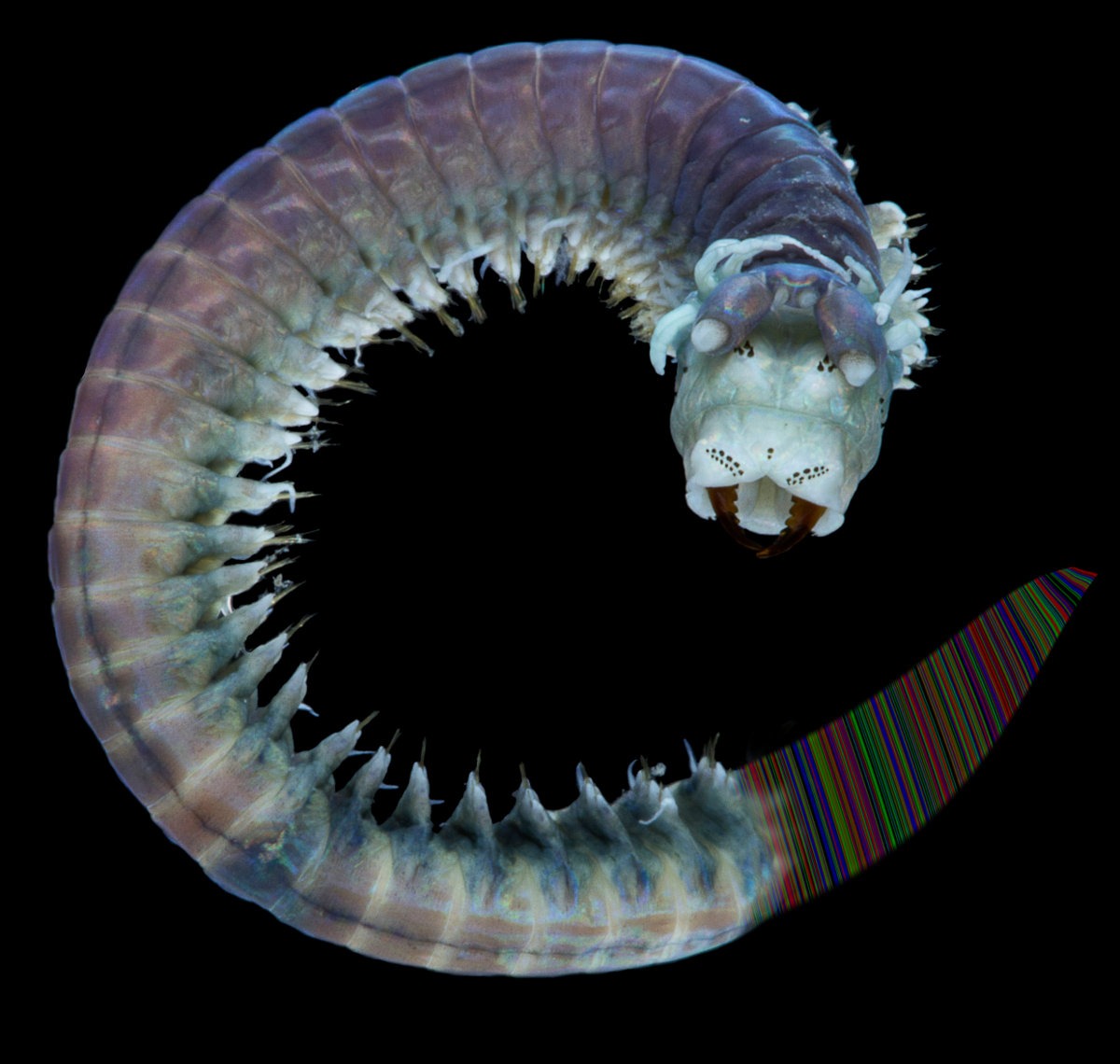
Nereis pelagica barcoded by NorBOL. PHOTO CREDIT: Katrine Kongshavn

Written by

Torbjørn Ekrem

Torbjørn Ekrem

NTNU University Museum, Coordinator of NorBOL, Trondheim, Norway

Five years have passed since the Norwegian Barcode of Life (NorBOL) obtained funding from the Norwegian Research Council to develop a national research infrastructure for DNA barcoding in Norway. This funding was the major boost needed to build a barcode reference library for Norwegian and polar biota, but it was also an important driver to ensure knowledge transfer and capacity building for DNA barcoding in Norway.

A central collaborator and funder over the years has been the Norwegian Taxonomy Initiative run by the Norwegian Biodiversity Information Centre; they are an important reason why we now have almost 19,000 species barcoded from Norway. The positive synergies between DNA barcoding and inventory projects targeting groups of little-known organisms were highlighted at the 7th iBOL Conference in Kruger.

NorBOL is a geographically distributed infrastructure with four hubs located at the university museums in Bergen, Oslo, Tromsø, and Trondheim. This has made it possible for us to take advantage of existing expertise and be particularly active in some areas. For instance, the University Museum of Bergen is currently the largest contributor to marine bristle worm data in the Barcode of Life Database (BOLD), while the Tromsø Museum is a key player in developing genome skimming of herbarium material to retrieve barcode regions from the chloroplast genome.

As an established national research infrastructure and member of iBOL, NorBOL continues the collaboration with the Norwegian Taxonomy Initiative and seeks additional funding to fill the gaps in the barcode library of Norwegian species. We will also continue supporting applied projects that use the generated data and knowledge to assess and monitor biodiversity in time and space, authenticate various products, and develop methodology.


Don't Miss Out!

Subscribe to the iBOL Barcode Bulletin for updates on DNA barcoding efforts, the iBOL Consortium, and more.

[mc4wp_form]