GBOL III: Dark Taxa

GBOL III: Dark Taxa

GBOL III: Dark Taxa

A “pixelated” Diptera.

Currently, around 1.4 million species of animals are known. For tropical regions, many species are still unknown, with estimates of global biodiversity ranging from five to 30 or even 100 million species. More recent studies suggest that there are about 10 million species on our planet. In contrast to the tropics, the Central European fauna is considered to be very well studied. However, specialists have mostly concentrated on less diverse and easy-to-study organisms, neglecting the species-rich, often taxonomically difficult groups, like many Diptera and Hymenoptera. This led to a mismatch between high species numbers and a small number of researchers, often referred to as the ‘taxonomic impediment’. This is most prominent for the megadiverse faunas of tropical regions. Less known is that this also applies, to some extent, for countries with a long history of taxonomic research like Germany, covering 200 or more years. For example, for the compilation of the German checklist of Hymenoptera, 32 specialists were available for 247 species of digger wasps (Crabronidae), while for parasitoid wasps of the family Ichneumonidae one specialist had to deal with 3,332 species.

In Germany, about 48,000 species of animals have been documented, including about 33,300 species of insects. In little-studied groups such as insects and arachnids, preliminary results of earlier DNA barcoding initiatives indicate the presence of thousands of species that are still awaiting discovery. Among the groups with a particularly large suspected number of unknown species are the Diptera (flies) and the Hymenoptera (in particular, the parasitoid wasps). With almost 10,000 known species each, these two insect orders account for two-thirds of the German insect fauna, underlining their importance.

Bar Graph depicting availability of taxonomic expertise for major insects orders in Germany.

“Dark taxa” are, as a rule, small-sized and rich in species, and have therefore been largely ignored by taxonomists. This is reflected by the number of undescribed species in these taxa, combined with a low chance to get specimens identified by specialists.

The insight that there are not only a few but many unknown species in Germany is a result of the earlier German Barcode of Life projects GBOL I and II, both supported by the Federal Ministry of Education and Research (Bundesministerium für Bildung und Forschung, BMBF) and the Bavarian Ministry of Science (project Barcoding Fauna Bavarica). The projects aimed at making all German species reliably, quickly and inexpensively identifiable by DNA barcodes. Since the first project was launched about ten years ago, more than 25,000 animal species have been barcoded, in collaboration with national and international partners. Among them are mostly well-known groups such as butterflies, moths, beetles, grasshoppers, spiders, bees and wasps.

Two scatterplots demonstrating relationship between body size (top) and species richness (bottom) in German Diptera

Relationship between body size (top) and species richness (bottom) in German Diptera1

Despite their popularity, these groups represent only a fraction of the total inventory of German insects. In Germany there are 170 butterfly species, 81 dragonfly and damselfly species, 87 species of grasshoppers, katydids and crickets, and 580 species of ground beetles, all of which are well-studied. Taken together, these 918 species stand for only a small fraction (2.8%) of the German insect fauna. They are morphologically well identifiable, have manageable species numbers, can easily be monitored during daytime and are therefore regarded as relevant in nature conservation and often used for monitoring species diversity. Conversely, however, this means that the vast majority of the native species diversity has been largely ignored in nature conservation and in general and applied research.

Circular tree depicting Nematocera (midges) and Brachycera (flies)
A circular neighbour‐joining tree for the two suborders of flies, Nematocera and Brachycera1. Each line in the tree corresponds to a distinct Barcode Index Number (BIN). Whereas for two of the “big four” insect orders, the Lepidoptera and Coleoptera, the number of German species are very precisely known, the numbers for the Diptera and Hymenoptera must rely on rough estimates. 

This applies in particular to the Diptera (flies). The observation that estimates of the number of species of native Diptera have been far too low was not only a result of the DNA barcoding projects at the ZSM, but became clear in a recent study by Paul Hebert and his team2. In this large-scale study, DNA barcodes of about one million insects were analyzed. Based on this study, Canada’s gall midges alone are estimated to include about 16,000 species, suggesting the existence of at least two million species on earth. That would be more species of gall midges worldwide than all previously described animal species combined.

The little-known or unknown species, referred to as ‘dark taxa’, are the subject of another BMBF-funded DNA barcoding project that is being carried out at the ZSM in collaboration with other German natural history museums and institutions. The project focuses on Diptera and Hymenoptera (in particular, parasitoid wasps), each with a large proportion of ‘dark taxa’. The new project, funded by a grant of 5.3 million Euro, starts July 1st 2020, with 12 PhD students at three major natural history institutions in Bonn (Zoological Research Museum Alexander Koenig), Munich (SNSB – Zoologische Staatssammlung München) and Stuttgart (State Museum of Natural History Stuttgart), to address a range of questions related to the taxonomy of German ‘dark taxa’, targeting selected groups of Diptera and parasitoid Hymenoptera.

Detailed photo of a Eulophidae specimen
Yellow Mymaridae specimen

Small parasitoid wasps of the families Eulophidae (top) and Mymaridae (bottom), both group with possibly hundreds of new species in Germany that still await discovery.

Among the major aims of GBOL III is assessing of the performance of DNA barcoding for species identification of ‘dark taxa’, and assessing the species detection ability of DNA barcodes in mass samples that are obtained from metabarcoding studies. Other aims of the project include the development of a platform for managing OTU-based taxonomic data, developing a pipeline for reliable and fast barcoding of small and poor-quality samples, and training of the next generation of taxonomists.

GBOL III is designed to make an important contribution to the global BIOSCAN initiative of the Centre for Biodiversity Genomics. It helps to lay the foundations for a global biomonitoring system to record the biodiversity of our planet on a large geographical scale in times of rising temperatures, increasing weather extremes and receding ice, and to track its changes as a result of global environmental changes.

References:

1. Morinière J, Balke M, Doczkal D, Geiger MF, Hardulak LA, Haszprunar G, Hausmann A, Hendrich L, Regalado L, Rulik B, Schmidt S, Wägele J, Hebert PDN (2019) A DNA barcode library for 5,200 German flies and midges (Insecta: Diptera) and its implications for metabarcoding‐based biomonitoring. Molecular Ecology Resources 19: 900–928. https://doi.org/10.1111/1755-0998.13022

2. Hebert PDN, Ratnasingham S, Zakharov EV, Telfer AC, Levesque-Beaudin V, Milton MA, Pedersen S, Jannetta P, deWaard JR (2016) Counting animal species with DNA barcodes: Canadian insects. Philosophical Transactions of the Royal Society B: Biological Sciences 371: 20150333. https://doi.org/10.1098/rstb.2015.0333

Written by

Axel Hausmann

Axel Hausmann

SNSB - Zoologische Staatssammlung München, Munich, Germany

Lars Krogmann

Lars Krogmann

State Museum of Natural History Stuttgart, Stuttgart, Germany

Ralph S. Peters

Ralph S. Peters

Zoological Research Museum Alexander Koenig, Bonn, Germany

Vera Rduch

Vera Rduch

Zoological Research Museum Alexander Koenig, Bonn, Germany

Stefan Schmidt

Stefan Schmidt

SNSB - Zoologische Staatssammlung München, Munich, Germany

doi: 10.21083/ibol.v10i1.6242

Don't Miss Out!

Subscribe to the iBOL Barcode Bulletin for updates on DNA barcoding efforts, the iBOL Consortium, and more.

[mc4wp_form]

comment on this article

The Barcode Bulletin moderates comments to promote an informed and courteous conversation. Abusive, profane, self-promotional, or incoherent comments will be rejected. 

Understanding the impacts of widespread forest die-offs across France, Germany, and China

Understanding the impacts of widespread forest die-offs across France, Germany, and China

Understanding the impacts of widespread forest die-offs across France, Germany, and China

Entomologists studying tree dieback of Picea abies in Bavarian National Park.

PHOTO CREDIT: Heiner M. Elsner

Forests throughout the world are suffering from an increase in the frequency and severity of droughts as well as pathogen and insect infestations. These climate-exacerbated factors are leading to tree diebacks—the progressive death of tree branches—and subsequent large-scale forest die-offs, the effects of which are not well understood. Preliminary results from our study indicate that while the number of insect species along forest die-off gradients might not be affected, their composition is changing.

CLIMTREE is an international project funded by the Belmont Forum that assesses the impact of climate-induced forest die-off on invertebrate biodiversity in highland forests in France, Germany, and China. This project aims to better understand how tree mortality and associated changes in forest composition affect biodiversity and ecosystem functions.

Silver fir (Abies alba) dieback in the French eastern Pyrenees

PHOTO CREDIT: Carlos Lopez-Vaamonde

Our study measures changes in the insect communities along dieback and salvage-logging gradients of silver fir (Abies alba) forests in the French eastern and central Pyrenees, Norway, spruce (Picea abies) forests in the Bavarian Forest National Park, Germany, and Yunnan pine (Pinus yunnanensis) forests in Yunnan province, China. We examined patterns of variation in the species diversity of flying insects collected by Malaise traps. As these passive traps can collect a large number of specimens, we analyzed samples in bulk using DNA metabarcoding. This approach uses DNA barcode reference libraries to identify species from a mixed sample using high-throughput technologies that effectively provide large amounts of DNA sequence data.

Members of CLIMTREE assessing the level of decline of silver fir stands in Pays de Sault (French eastern Pyrenees) PHOTO CREDIT: Carlos Lopez-Vaamonde

We also examined saproxylic beetles, a key functional group used as bioindicators in forest assessments of dead-wood availability. We collected these beetles using flight interception traps, and we also sampled specimens from natural history collections to build a DNA barcode reference library for the French saproxylic beetle fauna as a resource for future investigations.

The preliminary results from the 56 Malaise traps deployed in the French eastern and central Pyrenees have revealed more than 3,500 OTUs (Operational Taxonomic Units, a proxy for species) belonging to 18 insect orders, with considerable change in the compositions of the species detected along the dieback gradient as well as across a 4-month period. However, results to date do not suggest significant declines in species richness over the dieback gradient.

Rosalia alpina (Cerambycidae) is one of the 2,663 species of saproxylic beetles known to occur in France

PHOTO CREDIT: Carlos Lopez-Vaamonde

Polytrap flight interception trap

PHOTO CREDIT: Carl Moliard

Of the 55,571 saproxylic beetles collected by the flight interception traps, about 70% were morphologically identified to one of 284 species. Similar to the flying insects collected by Malaise traps, the diversity of beetles along dieback gradients did not decline. We are now trying to use a non-destructive metabarcoding approach that involves processing the collection media to determine whether we can uncover a comparable number of species with a morphology-based sorting approach. If results are similar, we will have a strong case for using this technique as a time-efficient alternative for biomonitoring moving forward.

Overall, there is an urgent need to obtain detailed baseline data on insect communities to quantify the impacts of climate change. By taking advantage of DNA metabarcoding approaches, our study is assessing biodiversity patterns at scales previously impossible and providing the data essential for evaluating future changes in insect communities. Our workflows are simple to use and provide an affordable, reliable, and repeatable method of assessing insect diversity in forests at a large geographical scale.

Written by

Lucas Sire

Lucas Sire

Institut de Recherche sur la Biologie de l’Insecte, Tours, France

Paul Schmidt Yañez

Paul Schmidt Yañez

Leibniz Institute of Freshwater Ecology and Inland Fisheries (IGB), Berlin, Germany

Rodolphe Rougerie

Rodolphe Rougerie

Muséum National d’Histoire Naturelle, Paris, France

Christophe Bouget

Christophe Bouget

IRSTEA, Nogent-sur-Vernisson, France

Laurent Larrieu

Laurent Larrieu

Dynafor INRA & CRPF Occitanie, Toulouse, France

Douglas W. Yu

Douglas W. Yu

Kunming Institute of Zoology, Kunming, China

Michael T. Monaghan

Michael T. Monaghan

Leibniz Institute of Freshwater Ecology and Inland Fisheries (IGB), Berlin, Germany

Institut Für Biologie, Freie Universität Berlin, Germany

Jörg Müller

Jörg Müller

Bavarian Forest National Park, Grafenau, Germany

Elisabeth A. Herniou

Elisabeth A. Herniou

Institut de Recherche sur la Biologie de l’Insecte, Tours, France

Carlos Lopez-Vaamonde

Carlos Lopez-Vaamonde

Institut de Recherche sur la Biologie de l’Insecte, Tours, France

INRA, Orléans, France

doi: 10.21083/ibol.v9i1.5726

Don't Miss Out!

Subscribe to the iBOL Barcode Bulletin for updates on DNA barcoding efforts, the iBOL Consortium, and more.

[mc4wp_form]

Related articles

SCAT RAIDERS UNRAVEL ANIMAL-PLANT INTERACTIONS IN LEBANON USING DNA BARCODING TOOLS

by Carole Saliba, Liliane Boukhdoud, Magda Bou Dagher Kharrat | Apr 7, 2019

comment on this article

The Barcode Bulletin moderates comments to promote an informed and courteous conversation. Abusive, profane, self-promotional, or incoherent comments will be rejected. 

Discovering a resilient and hyperdiverse midge fly fauna in a Singaporean swamp forest

Discovering a resilient and hyperdiverse midge fly fauna in a Singaporean swamp forest

Discovering a resilient and hyperdiverse midge fly fauna in a Singaporean swamp forest

Nee Soon Swamp Forest, Singapore

PHOTO CREDIT: Wang Luan Keng

Benthic macroinvertebrates – those animals that live at the bottoms of water bodies – are abundant, diverse, relatively immobile, and responsive to environmental stresses, and these traits make them ideal indicators of the quality of aquatic ecosystems. Our study demonstrates the utility of Next-Generation Sequencing (NGS) platforms as an efficient and rapid tool for monitoring efforts.

In freshwater ecosystems, non-biting midges (Diptera: Chironomidae) often constitute the majority of diversity and biomass with different chironomid species varying in their sensitivity to environmental changes. But, when monitoring these habitats, chironomids are either ignored entirely or not studied at a species-level because morphological assessments are expensive and laborious, and the identification literature is based on adults while larvae are most often collected.

Chironomid adults collected from Nee Soon Swamp Forest. Different chironomid species vary in their sensitivity to environmental parameters. PHOTO CREDIT: Bilgenur Baloglu
The solution? NGS platforms. They allow for fast and effective species-level assessments of large-scale samples at low cost (less than $0.40 USD/specimen). Moreover, there is a high congruence between molecular and morphological identification, enabling a detailed examination of the composition of taxonomically complex communities1,2. Freshwater swamp forests – the forested wetlands occurring along rivers and lakes – are home to various endemic and endangered species with 33% of birds and 45% of mammals either threatened or endangered on the IUCN Red List3, and with most of the insect fauna unknown. These ecosystems are under threat worldwide from habitat destruction, pollution, and climate crisis. Most of the world’s tropical swamp forests are found in Southeast Asia’s Indo-Malayan region collectively occupying more than 13 million ha4 among many geographically separated peninsulas and islands. Nee Soon swamp forest is the largest remnant (90 ha) of its kind in Singapore and thus of high national conservation value.

Bilge Baloglu sampling water DNA from Singapore’s largest swamp forest remnant.
PHOTO CREDIT: Dickson Ng

We generated DNA barcodes using NGS to study chironomids among the natural swamp forest Nee Soon and three adjacent man-made reservoirs. We wanted to understand the effects of urbanization and to know whether the chironomid fauna of Nee Soon is resistant to, that is, minimally impacted by, the adjacent reservoirs. We sampled >14,000 chironomid specimens (both adults and larvae) as part of a freshwater quality monitoring program, and quantified species richness and compositional changes using NGS and DNA barcoding.

Our study showed that Singapore’s biggest swamp forest remnant maintains a rich and largely unique fauna of about 350 species. The minimal species overlap between sites indicated that the Nee Soon swamp forest is resistant against the invasion of species from surrounding artificial reservoirs. 

These findings suggest that even small or fragmented swamp forests can be suitable habitats for chironomids, shedding light on many other swamp forests in Southeast Asia that collectively occupy a much larger area and that are threatened by destruction for oil palm plantations and paper pulp production. Overall, our study exposes the enormous power of NGS and DNA barcoding in ecological research to study ecosystem health, biological diversity, and habitat conservation.

References:

1. Brodin Y, Ejdung G, Strandberg J, Lyrholm T (2013) Improving environmental and biodiversity monitoring in the Baltic Sea using DNA barcoding of Chironomidae (Diptera). Molecular Ecology Resources 13:996–1004.

2. Montagna M, Mereghetti V, Lencioni V, Rossaro B (2016) Integrated taxonomy and DNA barcoding of alpine midges (Diptera: Chironomidae). PLoS One 11:e0149673

3. Posa MR (2011) Peat swamp forest avifauna of Central Kalimantan, Indonesia: Effects of habitat loss and degradation. Biological Conservation 144(10):2548-2556.

4. Hooijer A, Page S, Canadell JG, Silvius M, Kwadijk J, Wösten H, Jauhiainen J (2010) Current and future CO2 emissions from drained peatlands in Southeast Asia. Biogeosciences 7:1505–1514

For full details, please refer to the publication in Frontiers in Zoology.

Written by

Bilgenur Baloğlu

Bilgenur Baloğlu

Centre for Biodiversity Genomics, Guelph, ON, Canada

doi: 10.21083/ibol.v9i1.5525

Don't Miss Out!

Subscribe to the iBOL Barcode Bulletin for updates on DNA barcoding efforts, the iBOL Consortium, and more.

[mc4wp_form]
Starving for data and more: what rangers and scientists stand to learn from one another in South Africa

Starving for data and more: what rangers and scientists stand to learn from one another in South Africa

Starving for data and more: what rangers and scientists stand to learn from one another in South Africa

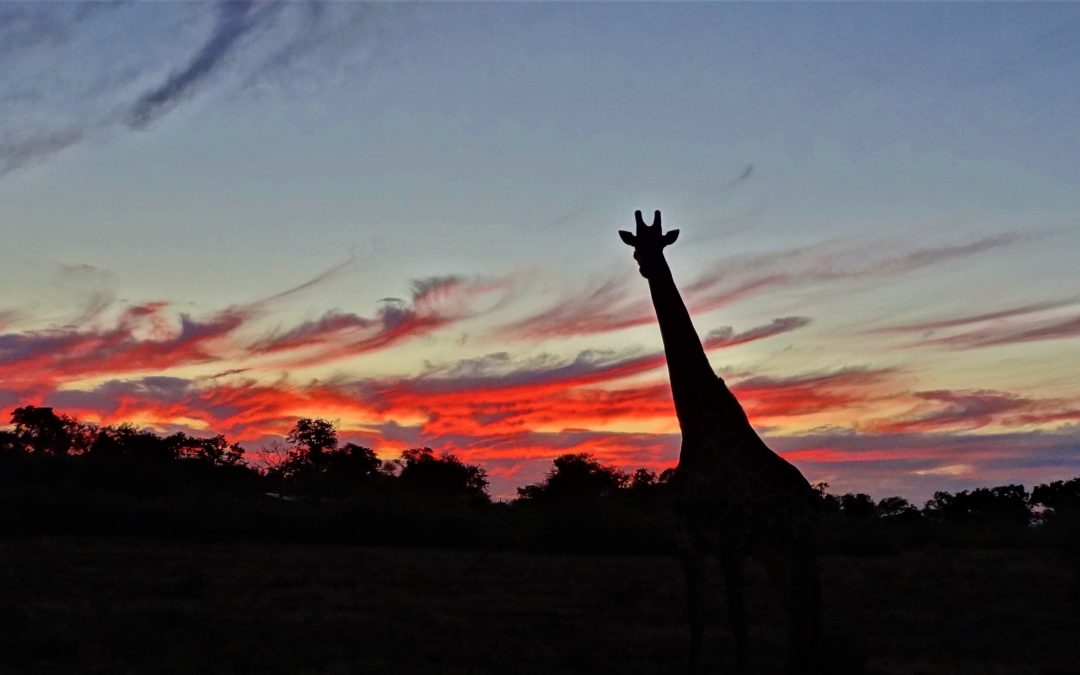
Silhouette of a giraffe in Kruger National Park, South Africa

PHOTO CREDIT: Michelle D’Souza

Insect biodiversity is understudied and often underappreciated. As evidence for large-scale insect declines emerge, there is an increasing need to address the extreme lack of data on the general ecology and population dynamics of most insect groups. Charismatic species, such as the iconic monarch butterflies (Danaus plexippus) of the Americas, are one of the few exceptions.

Closely related to the migratory Danaus plexippus, the non-migratory monarch species – Danaus chrysippus – is found in the warm climate of the African continent.
PHOTO CREDIT: Johandre van Rooyen

The caterpillars of the Emperor moth (Gonimbrasia belina) are just as iconic and societally relevant on the African continent. Locally referred to as ‘mopane worms’ after the mopane trees upon which they primarily feed, these insects have been a vital source of protein for generations. A mopane caterpillar contains on average 50 per cent protein1, a higher percentage than the average steak.

In recent years, mopane caterpillars have also provided an important source of income for many rural communities. It has been estimated that 9.5 billion caterpillars are harvested annually in Southern Africa’s 20,000 km2 of mopane forest. The ability to predict mopane caterpillar outbreaks in space and time becomes increasingly valuable, particularly for rural communities living along the borders of national parks, who rely heavily on natural resources to supplement their livelihood.

Mopane worm harvest in Kruger National Park, South Africa.
PHOTO CREDIT: Louise Swemmer

Local community members harvesting mopane worms in the Kruger.
PHOTO CREDIT: Louise Swemmer

Since 2010, permit-based harvesting projects have taken place in some South African National parks to share benefits and build positive relationships between the parks and their neighbouring communities. With the declining occurrence of mopane caterpillars outside of protected areas due to habitat change and over-harvesting, and the overall erratic nature of recent outbreaks, neighbouring communities risk losing an important source of food and income.

A better understanding of insect dynamics has the potential to inform the sustainable harvest of natural resources such as the mopane caterpillar, but it also tells us a lot more.

A pilot insect biomonitoring program in Kruger National Park, South Africa – the Kruger Malaise Program – is already demonstrating implications for natural resource harvesting, as well as agricultural pest and disease management. Perhaps even more significant, it has reignited energy in park rangers about biodiversity conservation.

One of 26 Malaise traps sampling insects in Kruger National Park with the Kruger Malaise Program.
PHOTO CREDIT: Ryan Rattray

The Kruger Malaise Program (KMP), a year-long monitoring effort, was undertaken in Kruger Park from May 2018 to June 2019. With the main goal of understanding insect diversity and seasonal variation, the program deployed 26 Malaise traps that sampled the flying insect community in all 22 sections of the park. Traps were set up within each section ranger’s property, and rangers were tasked with organizing and maintaining weekly sample collections. The samples were then retrieved in four large batches over the year by staff from the African Centre for DNA Barcoding (ACDB) in Johannesburg, South Africa, where they were packaged and shipped to the Centre for Biodiversity Genomics (CBG) in Guelph, Ontario, Canada for DNA barcode analysis. This program was only possible due to the collaborative efforts of park rangers and staff, researchers at the Savanna & Arid Research Unit in Skukuza, Kruger, and scientists at the ACDB and CBG.

The African Centre for DNA Barcoding (ACDB) team after collecting the last Malaise trap at the end of the KMP in June 2019: Zandisile Shongwe, Nolo Sello, Michelle van der Bank (ACDB Director), Ross Stewart, Jonathan Davies (top left to right), Johandre van Rooyen (bottom).
PHOTO CREDIT: Nolo Sello

With sampling now complete, analysis has begun in earnest. So far, more than 260,000 specimens have been processed, and 170,000 have been sequenced.  Preliminary results have delivered barcode coverage for 9,000 species including various agricultural pests (e.g., the olive fruit fly (Bactrocera oleae), and the rusty plum aphid (Hysteroneura setariae)) as well as several vector species known to transmit the bluetongue and African horse sickness viruses (e.g., Culicoides imicola) and West Nile Virus (Culex perexiguus). When compared against the DNA barcode database (BOLD Systems) of more than 600,000 species, almost half of the insect diversity uncovered by the program so far is only found in Kruger. Based on species accumulation rates, it is likely that 25,000 species will be recorded in the park. This number represents more than half of the species previously reported from South Africa2, and quarter of those described in sub-Saharan Africa3.

Selection of specimens collected from the Kruger Malaise Program.
PHOTO CREDIT: CBG Imaging Lab

The Kruger Malaise Program reveals just how quickly DNA barcoding can provide in-depth and broad-scale information for regions where past research has largely been focused on particular taxonomic groups.  While one of the only comprehensive field guides for insects in South Africa contains 1,200 species – those that are ‘abundant, widespread, conspicuous, large or unusual’ – the Kruger Malaise program has largely uncovered the rare, small, inconspicuous, yet ecologically important, species.

In 2013, SANParks developed a biodiversity monitoring strategy but its activation has been very mixed across the 19 parks. Some began their monitoring efforts by focusing on rare species, while others used key indicator groups. But there have been no standardized techniques implemented across all parks, and there has been little monitoring of insects at a large scale, mainly because of the lack of taxonomic expertise. A program involving DNA technology makes large-scale biomonitoring of these national parks possible.

The KMP has been a huge success with the next steps set to fine tune logistics before its expansion to other parks and, ideally, to identify specific sites in Kruger for ongoing monitoring. The program also provided a test bed for TRACE (Tracking the Response of Arthropod Communities to Changing Environments), a major research theme within the 7-year, $180 million BIOSCAN program. Its success has demonstrated the feasibility of extending this work in other national parks within South Africa and on a global scale. In doing so, BIOSCAN will lay the foundation for a DNA-based global biodiversity observation system, similar to the monitoring systems that have been recording weather patterns since the 1800s. BIOSCAN has a grand vision, one that is necessary if we are to truly identify, understand, and manage the global decline in insects.

The park rangers and staff who managed the Malaise traps in Kruger National Park.
PHOTO CREDIT: Michelle D’Souza

But if you ask the people working in Kruger, the KMP was more than a biodiversity monitoring program. Most rangers start out as nature conservation and zoology students, but anti-poaching efforts are so time consuming that their roles have gone from biodiversity managers to single-species protectors. The KMP has not only sparked interest and reignited energy in the park rangers about their conservation work, it has engaged and valued the observational and experiential data that rangers have to offer, such as stories and strategies related to the mopane caterpillars.

In this way, the KMP has made a very big impact – and that is the true beauty of the program – its ability to spur interest in insect life, and the patterns and processes that define our world.

Please feel free to contact Michelle D’Souza, the KMP project manager, if you have any questions about the program: mdsouza@uoguelph.ca

References:

1. Glew RH, Jackson D, Sena L, VanderJagt DJ, Pastuszyn A and Millson M (1999) Gonimbrasia belina (Lepidoptera: Saturniidae): a Nutritional Food Source Rich in Protein, Fatty Acids, and Minerals. American Entomologist 45(4): 250–253

2. Scholtz CH and Chown SL (1995) Insects in southern Africa: how many species are there? South African Journal of Science 91:124–126

3. Miller SE and Rogo LM (2002) Challenges and opportunities in understanding and utilisation of African insect diversity. Cimbebasia 17:197–218

Written by

Michelle L. D'Souza

Michelle L. D'Souza

Centre for Biodiversity Genomics, Guelph, ON, Canada

Danny Govender

Danny Govender

General Manager: Savanna and Arid Research Unit, South Africa

doi: 10.21083/ibol.v9i1.5471

Don't Miss Out!

Subscribe to the iBOL Barcode Bulletin for updates on DNA barcoding efforts, the iBOL Consortium, and more.

[mc4wp_form]

comment on this article

The Barcode Bulletin moderates comments to promote an informed and courteous conversation. Abusive, profane, self-promotional, or incoherent comments will be rejected. 

Discovering Fiji’s native bees: hidden secrets in a biodiversity hotspot

Discovering Fiji’s native bees: hidden secrets in a biodiversity hotspot

Discovering Fiji’s native bees: hidden secrets in a biodiversity hotspot

Homalictus hadrander, one of the four described species previously known from Fiji.
PHOTO CREDIT: James Dorey

Fiji’s entomological diversity has historically been considered depauperate. Recent widespread DNA barcoding efforts, however, from the South Australian Museum, Flinders University, and University of South Australia, along with a flurry of undergraduate, honours, and PhD students, have helped to uncover some of the hidden secrets of biodiversity within this topographically complex archipelago. Since 2010, funding from the Australian & Pacific Science Foundation and Australian Commonwealth New Colombo Plan, along with support from students, has enabled fieldwork focused on collecting bees, wasps, and butterflies across all the major Fijian islands. Trekking up the tallest mountains, four-wheel driving across challenging terrain, and following the meandering rivers of inland Fiji has revealed that initial estimations of Fiji’s entomological fauna have been severely underestimated. DNA barcoding over 1,000 bee specimens has increased species richness estimates from 4 species (known since 1979) up to 26 endemic species in the genus Homalictus. Interestingly, 60% of these new species are only found above 800 m elevation which comprise a mere 2% of land area of Fiji, and they are often restricted to single mountain tops (Figure 1). From extensive DNA barcoding, mitochondrial haplotype diversity was used to explore the level of intraspecific gene flow in the widespread species of the genus (Figure 2).

Figure 1: (a) The number of species (species richness) plotted against land area available at each elevational gradient. (b) Map of Fiji showing the land area available. Colours correspond to those used in (a).

CREATED BY: Cale Matthews

These results also indicate that gene flow is being restricted within highland localities of the most widespread Homalictus species. Dispersal from a species home range does not appear to be occurring in Fiji, which may be presenting a contemporary model of speciation that is predominantly influenced by past climatic fluctuations. There is an estimated crown age of 400 ka for the initial Fijian Homalictus colonisation, which would result in the genus being present for several glacial cycles. During glacial maxima, cooler climates would be ubiquitous throughout Fiji, however during glacial minima and interglacial periods there is a distinction between cool highland and warm lowland climate. DNA barcoding results indicate that the largest diversification of this genus is concordant with the most recent glacial minima, as species that were freely dispersing during glacial maxima are forced to retreat into highland refugia. Combined with the inferred haplotype networks, these results indicate that restriction due to low thermal tolerance of lowland climate is driving the extraordinary highland species richness in Fiji.


Figure 2: (a) Haplotype network of all sequenced Homalictus fijiensis (N=358) coloured by sampling locality. Hash marks represent nucleotide changes between each haplotype. Shared haplotypes represented by circles with multiple colours. Circle outline representing highland or lowland sampling. (b) Sampling map of H. fijiensis coloured by geographic sampling locality.

CREATED BY: Cale Matthews

Further to the work on bees, we have also started barcoding Fiji’s butterfly fauna, along with the first-ever species of Gasteruption, a parasitoid wasp genus, found in Fiji. The species, Gasteruption tomanivi (Published in Zootaxa by PhD student Ben Parslow), was found at the peak of Fiji’s highest mountain. These discoveries have highlighted how little is known about the entomofauna of Fiji and how the use of DNA barcoding has helped to uncover Fiji’s hidden secrets of biodiversity.


Written by

Cale Matthews

Cale Matthews

School of Biological Sciences, Flinders University, Adelaide, Australia

James Dorey

James Dorey

School of Biological Sciences, Flinders University, Adelaide, Australia

Scott Groom

Scott Groom

School of Agriculture, University of Adelaide, Australia

Olivia Davies

School of Biological Sciences, Flinders University, Adelaide, Australia

Elisha Freedman

Elisha Freedman

School of Biological Sciences, Flinders University, Adelaide, Australia

Justin Holder

School of Biological Sciences, Flinders University, Adelaide, Australia

Ben Parslow

School of Biological Sciences, Flinders University, Adelaide, Australia

Michael Schwarz

School of Biological Sciences, Flinders University, Adelaide, Australia

Mark Stevens

Mark Stevens

School of Biological Sciences, Flinders University, Adelaide, Australia

PDF
https://doi.org/10.21083/ibol.v9i1.5482

Don't Miss Out!

Subscribe to the iBOL Barcode Bulletin for updates on DNA barcoding efforts, the iBOL Consortium, and more.

[mc4wp_form]