
Research articles
The latest science in DNA barcoding
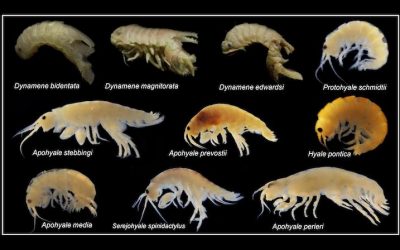
The Diversification and Evolution of Marine Invertebrates in Oceanic Islands
Unravelling long-established divergence patterns and remarkable geographic segregation that has endured over millions of years in marine invertebrates.
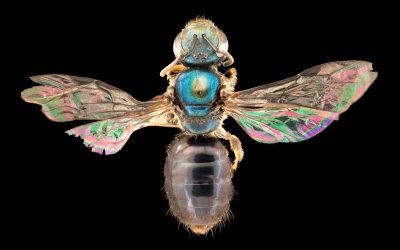
Discovering Fiji’s native bees: hidden secrets in a biodiversity hotspot
Researchers provide new insights into biodiversity using DNA barcoding in Fiji’s topographically complex archipelago.
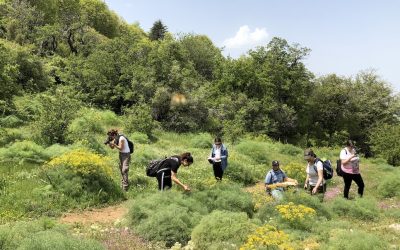
Scat Raiders Unravel Animal-Plant Interactions in Lebanon Using DNA Barcoding Tools
Using DNA dietary analysis on Eastern Mediterranean wildlife to explore the role of animals in ecological restoration processes.
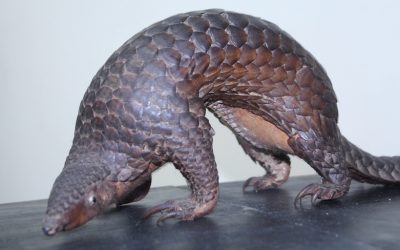
Saving the Pangolin: Philippines’ Fight Against the Illegal Wildlife Trade
Governments, scientists, and enforcement agencies join forces to formally incorporate molecular identification of trafficked species within wildlife forensics.
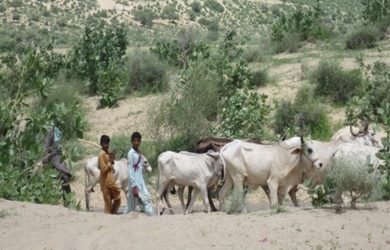
University of Sindh Jamshoro Barcodes Grasshoppers in Pakistan’s Thar Desert
Tracking the shift of non-pests to crop pests, a phenomenon accelerated by anthropogenic pressures in the Thar Desert.
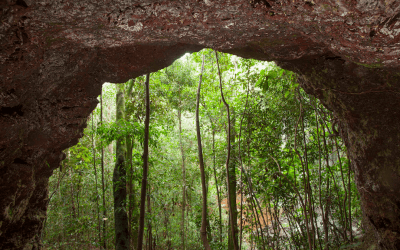
DNA Barcoding and Genomics in the Megadiverse Amazon Altitude Fields
Scientists are contributing to the most profound molecular representation of biodiversity in any Brazilian environment.
For editorial submissions and queries:
About the iBOL Consortium
The iBOL consortium involves scientists and research organizations in 30+ nations. It is developing and employing the DNA-based identification systems required to deliver a detailed understanding of global biodiversity by working in partnership with academic, government, and private sector organizations.
Learn more about the latest iBOL News using the link below:
news highlight
INITIATIVES TO INTERCEPT PANDEMICS THROUGH GENOMICS
BIOSCAN, Earth BioGenome Project, and Global Virome Project Propose Pandemic Interception System
Don't Miss Out!
Subscribe to the iBOL Barcode Bulletin for updates on DNA barcoding efforts, the iBOL Consortium, and more.