
All Articles
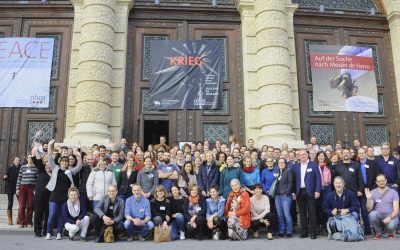
The Austrian Barcode of Life (ABOL) Initiative
ABOL is acquiring funds, activating diverse applications of DNA barcoding, developing skills within the network, and increasing public awareness for biodiversity.
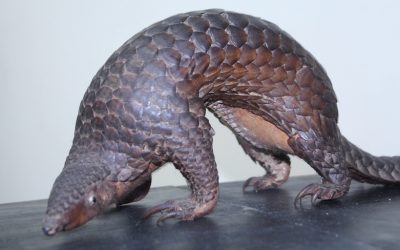
Saving the Pangolin: Philippines’ Fight Against the Illegal Wildlife Trade
Governments, scientists, and enforcement agencies join forces to formally incorporate molecular identification of trafficked species within wildlife forensics.
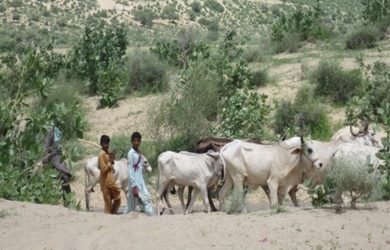
University of Sindh Jamshoro Barcodes Grasshoppers in Pakistan’s Thar Desert
Tracking the shift of non-pests to crop pests, a phenomenon accelerated by anthropogenic pressures in the Thar Desert.
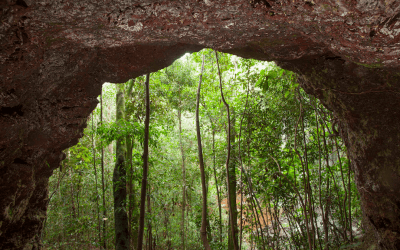
DNA Barcoding and Genomics in the Megadiverse Amazon Altitude Fields
Scientists are contributing to the most profound molecular representation of biodiversity in any Brazilian environment.
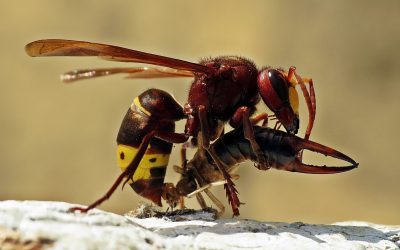
A DNA Barcoding Review of the Entomofauna of Egypt
From insect diversity to pests to forensics, DNA barcoding plays a vital role in Egyptian biodiversity conservation and legislative protection efforts.

Summary of National Barcoding Activities for Portugal
Dynamic DNA barcoding activities across marine and terrestrial ecosystems in Portugal, including important contributions to iBOL’s bioinformatics capacity.
About the iBOL Consortium
The iBOL consortium involves scientists and research organizations in 30+ nations. It is developing and employing the DNA-based identification systems required to deliver a detailed understanding of global biodiversity by working in partnership with academic, government, and private sector organizations.
Learn more about the latest iBOL News using the link below:
Don't Miss Out!
Subscribe to the iBOL Barcode Bulletin for updates on DNA barcoding efforts, the iBOL Consortium, and more.