
All Articles
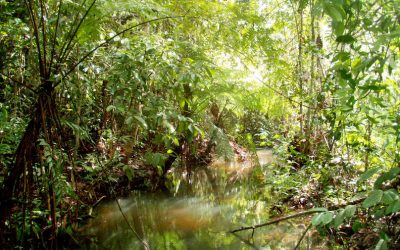
Discovering a resilient and hyperdiverse midge fly fauna in a Singaporean swamp forest
Researchers uncover a highly unique and diverse chironomid community in a Singaporean swamp forest highlighting the importance of these ecosystems and the power of Next-Generation Sequencing for biomonitoring efforts.
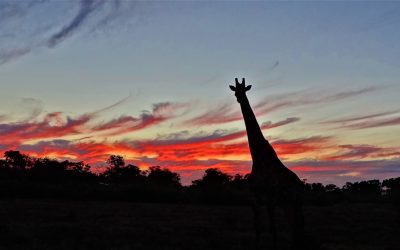
Starving for data and more: what rangers and scientists stand to learn from one another in South Africa
A one-year pilot biomonitoring program in Kruger National Park, South Africa – the Kruger Malaise Program – reignites rangers’ energy about biodiversity conservation.
Small steps lead to big initiatives: Pakistan reaffirms support for iBOL by launching PakBOL
From economically important insect species to plants to food security, Pakistani researchers are working to barcode all life in their country through a national initiative – PakBOL.

The deep connection between soil microbes and trees: DNA metabarcoding and reforestation
Forest restoration can be better facilitated by considering the diversity and biomass of soil microbiomes

Resident or invasive species? Environmental DNA can provide reliable answers
Environmental DNA can be successfully applied to identify vertebrates in a tropical lake improving our capacity to map and monitor species.
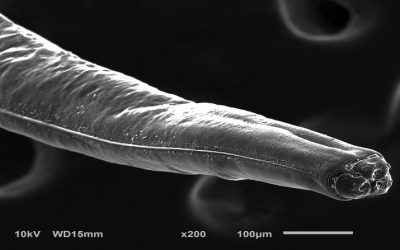
Diagnosing a rare human disease in Mexico’s lowlands
The first multidisciplinary study using DNA barcodes as a medical diagnostic tool forms a unique collaborative group comprised of medical practitioners and scientists.
About the iBOL Consortium
The iBOL consortium involves scientists and research organizations in 30+ nations. It is developing and employing the DNA-based identification systems required to deliver a detailed understanding of global biodiversity by working in partnership with academic, government, and private sector organizations.
Learn more about the latest iBOL News using the link below:
Don't Miss Out!
Subscribe to the iBOL Barcode Bulletin for updates on DNA barcoding efforts, the iBOL Consortium, and more.